Empower the future

Join Agrophotovoltaics Investment
Agrophotovoltaics, also known as agrivoltaics or solar sharing, is a sustainable agricultural practice that involves the co-location of solar photovoltaic panels and agricultural activities on the same area of land. In agrivoltaic systems, solar panels are mounted above crops, creating a dual-use of the land for both energy generation and food production.

Agrivoltaics, also known as agrophotovoltaics or solar sharing, is a sustainable agricultural practice that involves the co-location of solar photovoltaic panels and agricultural activities on the same area of land. In agrivoltaic systems, solar panels are mounted above crops, creating a dual-use of the land for both energy generation and food production. This approach offers several potential benefits:
- Land Use Efficiency: By utilizing the same land for both solar energy production and agriculture, agrivoltaics can maximize land use efficiency, especially in areas where land availability is limited or expensive.
- Crop Protection: The solar panels provide shade to the crops below, which can help mitigate the impacts of extreme weather conditions such as excessive heat, heavy rain, or hail. This can lead to improved crop yields and quality.
- Water Conservation: The shade provided by the solar panels can reduce water evaporation from the soil, helping to conserve water resources and improve water-use efficiency in agriculture.
- Energy Synergy: Combining solar energy generation with agriculture allows for the simultaneous production of renewable energy and food, contributing to both energy security and food security.
- Economic Viability: Agrivoltaic systems have the potential to generate additional revenue for farmers through the sale of electricity generated by the solar panels, while also maintaining or enhancing agricultural productivity.
Overall, agrivoltaics represent an innovative approach to sustainable land use that addresses the dual challenges of energy production and agricultural sustainability. As research and development in this field continue, agrivoltaic systems have the potential to play an increasingly important role in the transition to a more sustainable and resilient agricultural and energy system.
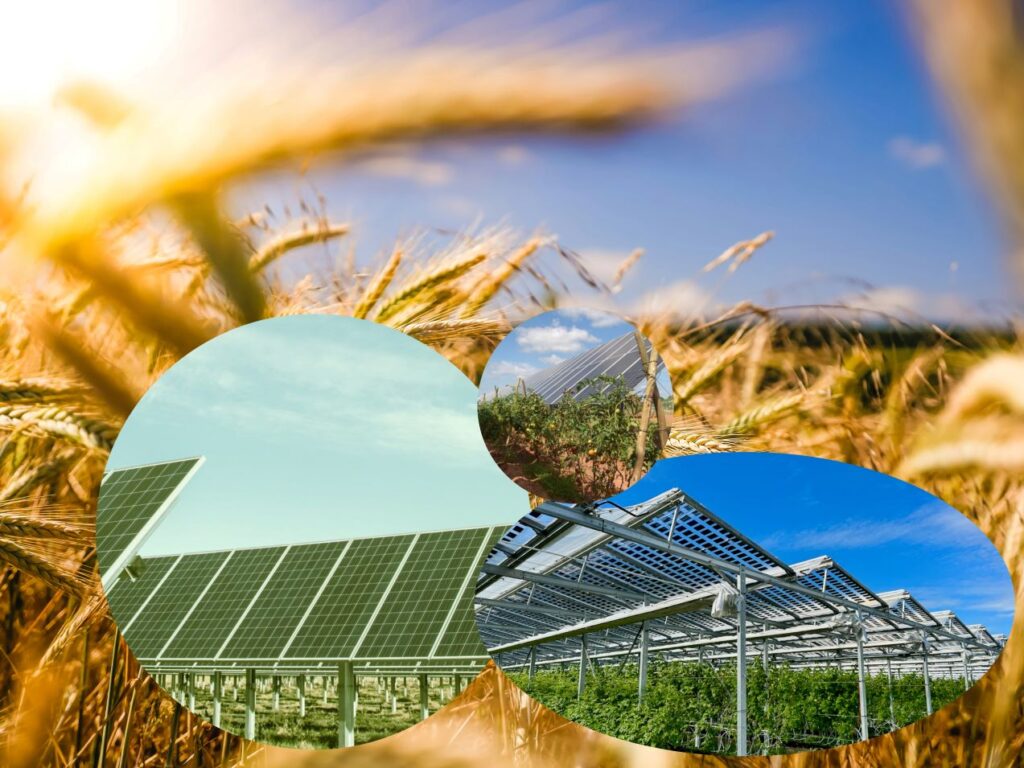
Agrivoltaic solutions represent an advanced combination of agriculture and the production of renewable energy. Among these we find photovoltaic greenhouses, ground systems and agrivoltaic parks.
Photovoltaic greenhouses combine agricultural production with solar energy production. Thanks to the use of semi-transparent photovoltaic panels, these greenhouses allow the cultivation of plants underneath, while ensuring energy production.
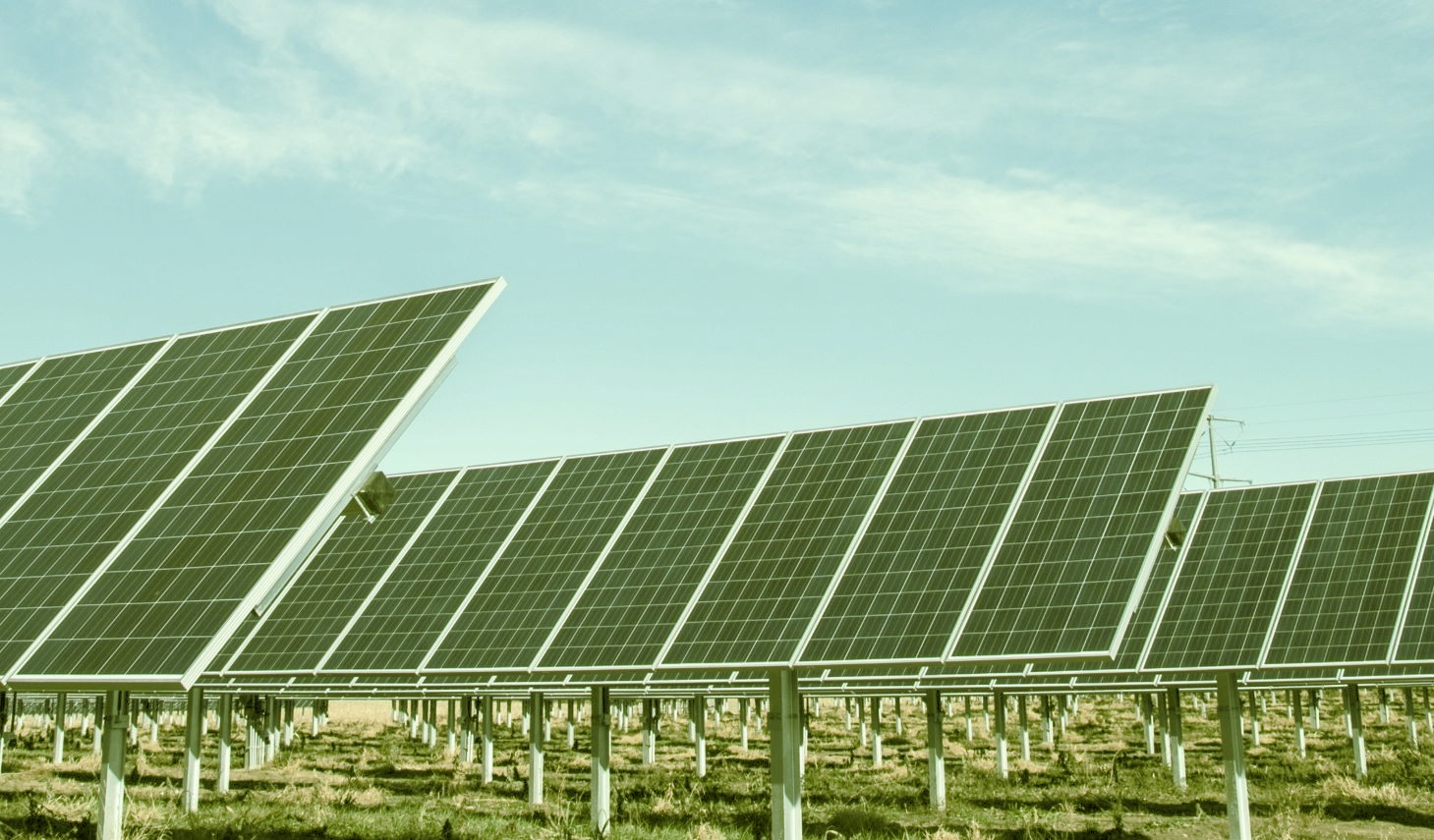
Ground-mounted systems, however, represent the most widespread type of photovoltaic systems in the agrivoltaic sector. Placed directly on the ground, they can be integrated with different crops, such as breeding or growing plants suitable for shade, making the underlying soil productive and preserving biodiversity.
Finally, agrivoltaic parks are large photovoltaic systems combined with agricultural activities, often on land of poor quality or unsuitable for traditional agriculture. The plants enable the production of renewable energy on a large scale and at the same time promote the sustainable use of land.
Investing in agrivoltaics, which is the practice of co-locating solar panels with agriculture, can be a worthwhile investment for several reasons:
- Increased land use efficiency: Agrivoltaics allow for the productive use of land for both agriculture and renewable energy generation. By utilizing the same land for multiple purposes, it maximizes land use efficiency, which is particularly valuable in areas where land availability is limited or expensive.
- Diversified revenue streams: Integrating solar panels with agricultural activities can provide additional revenue streams for landowners. Farmers can earn income from both crop production and solar energy generation, reducing their reliance on a single source of income and potentially mitigating risks associated with fluctuations in commodity prices or weather conditions.
- Improved agricultural productivity: The shade provided by solar panels in agrivoltaic systems can create microclimates that benefit certain crops, such as those sensitive to extreme heat or sunlight. Additionally, the reduction in water evaporation due to shading can help conserve water, making agrivoltaic systems particularly suitable for arid or semi-arid regions.
- Environmental benefits: Agrivoltaics offer environmental benefits by reducing greenhouse gas emissions associated with conventional energy generation and promoting sustainable agricultural practices. The combination of renewable energy production and carbon sequestration through plant growth contributes to mitigating climate change and enhancing overall environmental sustainability.
- Support for rural economies: Investments in agrivoltaics can contribute to the development of rural economies by creating job opportunities in the renewable energy sector and supporting local agriculture. Furthermore, by providing a stable source of income for farmers, agrivoltaics can help sustain rural communities and alleviate economic pressures on agricultural producers.
However, it’s important to conduct thorough research and due diligence before investing in agrivoltaics. Consider factors such as site suitability, regulatory requirements, financial feasibility, and potential risks associated with the project.
They already joined our investment project
Get More details